
Choosing couples therapy is an important first step. The next question is often much more practical: Should we see a therapist in person or attend sessions online?
For some couples, sitting in the same room with a therapist feels more natural. They may appreciate having a dedicated space away from home, work, and everyday distractions.
For others, online couples therapy is easier to fit into their lives. They may have demanding schedules, live in different locations, travel frequently, or simply feel more comfortable talking from their own space.
Neither format is automatically better for every couple.
The more useful question is which setting allows both partners to participate comfortably, consistently, and openly.
Understanding the differences between in-person and online couples therapy can help you make a decision based on your relationship, schedule, preferences, and therapy goals.
What Is the Difference Between In-Person and Online Couples Therapy?
The primary difference is where the therapy session takes place.
With in-person couples therapy, both partners and the therapist meet in the therapist’s office.
With online couples therapy, the session takes place through a secure video platform, allowing the couple and therapist to communicate remotely.
The therapeutic work itself can be similar. In either setting, couples may work on communication, conflict, emotional connection, trust, intimacy, parenting, or major life transitions.
What changes is the environment in which that work happens.
For some couples, the environment makes a meaningful difference.
For others, the convenience of online therapy makes it easier to attend regularly and stay engaged with treatment.
Benefits of In-Person Couples Therapy
There is something different about physically entering a therapy office.
For many couples, the separation from their usual environment creates a psychological boundary around the session. Instead of discussing an argument while sitting on the couch at home, they enter a space specifically intended for difficult conversations.
A Dedicated Space for the Relationship
At home, couples may be surrounded by reminders of everyday responsibilities.
Children may need attention. Phones may be nearby. Work may still be waiting. One partner may have a meeting immediately afterward.
An office can provide a neutral environment where the relationship receives your full attention.
Easier Separation From Everyday Distractions
When you physically leave your home or workplace for therapy, it can be easier to shift into a different mindset.
The session becomes an appointment rather than another conversation squeezed between responsibilities.
For couples who struggle to create uninterrupted time together, this structure can be valuable.
Some Couples Prefer Face-to-Face Interaction
Body language, facial expressions, pauses, and other nonverbal cues are part of communication.
Some couples and therapists may find it easier to observe these interactions in person.
This does not mean that meaningful emotional communication cannot happen online. It simply means that some people naturally feel more comfortable with face-to-face interaction.
The Journey to Therapy Can Create a Transition
For some couples, the time spent traveling to and from therapy provides a natural transition.
You may have time to mentally prepare before the appointment and reflect afterward rather than immediately returning to household responsibilities.
That experience can be especially useful when therapy sessions involve emotionally difficult conversations.
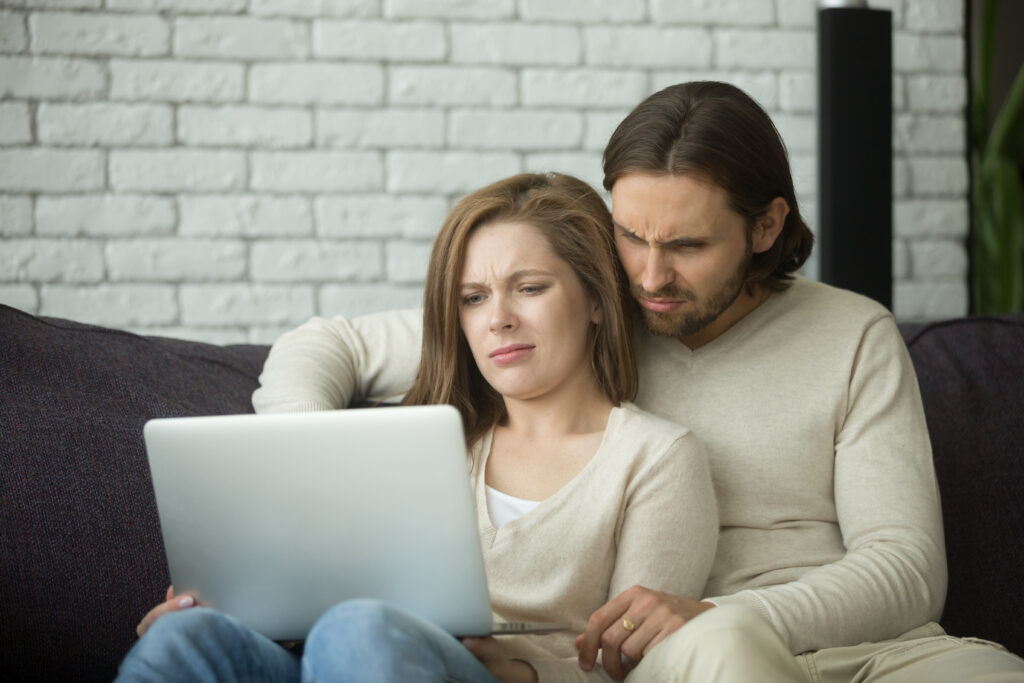
Benefits of Online Couples Therapy
Online therapy has changed the practical side of accessing relationship support.
For many couples, the biggest advantage is simple: you do not have to travel to an office.
Greater Convenience
A one-hour therapy session may require significantly more time when you include commuting, parking, traffic, or arranging transportation.
Online therapy removes much of that logistical burden.
This can make therapy easier to fit around:
- Work schedules
- Parenting responsibilities
- Travel
- Household commitments
- Different work locations
For busy couples, convenience can make the difference between attending consistently and repeatedly postponing therapy.
Easier Access for Couples With Different Schedules
Couples do not always have identical routines.
One partner may work from home while the other commutes. One may travel frequently for work. Their schedules may change from week to week.
Online sessions can sometimes make coordination easier.
Depending on the therapist’s availability and applicable licensing requirements, online therapy can also make it possible to attend when one or both partners are in different locations.
Comfort of Your Own Environment
Some people feel more comfortable discussing vulnerable subjects from a familiar environment.
Being at home can make therapy feel less intimidating, particularly for someone who feels anxious about entering a therapist’s office.
However, comfort can work both ways.
For some couples, home is precisely where most of their conflict occurs. In that case, being somewhere neutral may be more helpful.
Fewer Practical Barriers
Weather, transportation problems, traffic, or mobility concerns can make in-person appointments harder to maintain.
Online therapy can remove some of these obstacles.
That does not mean every online appointment will be effortless. You still need a private space, reliable technology, and enough time to participate without interruptions.
Is Online Couples Therapy as Effective as In-Person Therapy?
The answer depends on the couple, the therapist, and the circumstances.
Research generally supports telehealth psychotherapy as a viable way of delivering mental health care, and many couples find online sessions useful and convenient. However, effectiveness is not simply determined by whether the session takes place on a screen or in an office.
The therapeutic relationship, treatment approach, couple’s engagement, consistency, and suitability of the format all matter.
A couple that attends online therapy consistently and feels comfortable participating may benefit more than a couple that repeatedly cancels in-person sessions because getting to the office is difficult.
Likewise, a couple who finds it difficult to communicate openly online may do better in person.
The best format is often the one that makes meaningful participation sustainable.

When In-Person Therapy May Be a Better Fit
In-person therapy may be worth considering if:
- You both prefer face-to-face conversations.
- You find it difficult to stay focused during video sessions.
- Home is full of distractions.
- You want a neutral environment for difficult conversations.
- One or both partners feel uncomfortable with technology.
- You value physically separating therapy from everyday life.
For some couples, simply being in a different environment helps them slow down and engage differently.
When Online Therapy May Be a Better Fit
Online therapy may be particularly convenient if:
- Your schedules are difficult to coordinate.
- You live far from the therapist’s office.
- One or both partners travel frequently.
- You have childcare or transportation challenges.
- You prefer the privacy and comfort of home.
- You want to avoid commuting.
- You are more likely to attend consistently when therapy is convenient.
The ability to attend from home can make ongoing therapy significantly easier for some couples.
What About Couples Who Live in Different Places?
This can be one of the biggest advantages of online therapy.
Long-distance couples, partners who travel for work, or couples temporarily living apart may find it easier to attend the same session remotely.
Instead of trying to coordinate travel, both partners may be able to join the appointment from their respective locations.
However, therapists must follow applicable licensing and professional requirements concerning where clients are physically located during telehealth sessions. This is something to clarify with the therapist before scheduling.
How Private Is Online Couples Therapy?
Privacy is an important consideration for online therapy.
A couple should ideally attend from a private location where other people cannot overhear the conversation.
That can be challenging in a busy household.
Before an online session, consider:
- Finding a quiet room.
- Using headphones if appropriate.
- Turning off unnecessary notifications.
- Making arrangements for children or other interruptions.
- Using a reliable internet connection.
- Choosing a private location if one partner is joining from outside the home.
If privacy is difficult to maintain at home, in-person therapy may be more comfortable.
What If One Partner Prefers Online and the Other Prefers In Person?
You do not necessarily have to decide based on which person “wins.”
Talk about why each of you prefers a particular format.
The partner who wants online therapy may value convenience or have transportation challenges.
The partner who wants in-person therapy may feel that serious conversations are easier face-to-face.
Understanding the reason behind the preference may reveal a practical compromise. This kind of mismatch in readiness isn’t unusual – our post on what to do if only one partner wants couples therapy covers how couples can work through it together.
Depending on the therapist’s availability and policies, some couples may also discuss whether a hybrid arrangement is possible.
What Matters More Than the Format?
The format matters, but it is only one part of choosing couples therapy.
Consider whether:
You feel comfortable with the therapist.
You should feel able to discuss difficult subjects without feeling judged. Finding the right fit often comes down to choosing the best couples therapist for your specific needs, regardless of whether sessions happen in person or online.
The therapist’s approach fits your needs.
Different therapists use different approaches and areas of specialization.
Both partners can participate consistently.
A format that looks ideal on paper is less useful if one partner continually struggles to attend.
You have enough privacy.
This is particularly important for online sessions.
The therapy addresses what you actually need.
Whether you are dealing with communication problems, recurring conflict, emotional disconnection, trust issues, intimacy concerns, or a major life transition, the therapist should understand your goals.
A Simple Way to Decide
If you are still unsure, ask yourselves four questions:
1. Where will we be more comfortable being honest?
If you feel safer and more open in a therapist’s office, consider in-person sessions.
If home makes you feel more comfortable, online therapy may be a better fit.
2. Which option can we realistically attend?
Think beyond one appointment.
Can you consistently manage the commute, parking, childcare, and scheduling required for in-person therapy?
Or would online therapy make regular attendance much easier?
3. Where will we have fewer distractions?
If your home is busy, an office may provide better structure.
If the office environment feels overwhelming but you can create a quiet private space at home, online therapy may work well.
4. Which option are we both willing to try?
Couples therapy works best when both partners can participate meaningfully.
The best format is not necessarily the one one partner prefers. It is the one that allows both people to engage. If you’re attending for the first time and aren’t sure what to expect either way, it helps to know what happens in the first couples therapy session before you decide on a format.
How City Lights Psychology Provides Couples Therapy
At City Lights Psychology, couples can explore therapy options based on their relationship needs, preferences, and circumstances.
In-person therapy provides a dedicated setting for couples who value face-to-face work and a neutral environment. Virtual couples therapy provides greater flexibility for couples managing demanding schedules, distance, travel, or other practical barriers.
The therapeutic work may focus on communication, recurring conflict, emotional connection, trust, intimacy, parenting, relationship transitions, or uncertainty about the future.
Depending on the couple’s needs, therapy may incorporate approaches such as Emotionally Focused Therapy, the Gottman Method, psychodynamic perspectives, and attachment-informed work.
The goal is not to determine whether online or in-person therapy is universally better.
It is to find a setting in which you and your partner can consistently show up, communicate openly, and engage meaningfully in the work.
Frequently Asked Questions
Is online couples therapy effective?
Online couples therapy can be an effective option for many couples, particularly when both partners have a private space and can participate consistently. The therapist, treatment approach, relationship between therapist and clients, and level of engagement all matter.
Is in-person couples therapy better than online therapy?
Not necessarily. Some couples prefer the structure and face-to-face interaction of an office, while others benefit from the convenience of online sessions. The better option is generally the one that fits your needs and allows both partners to participate comfortably.
Can couples therapy be done online if we are in different locations?
Often, online therapy can make it easier for couples who are temporarily or permanently in different locations to attend together. However, therapists must comply with applicable licensing and telehealth requirements, so discuss your specific circumstances with the therapist.
What do we need for online couples therapy?
You generally need a reliable internet connection, a suitable device, and a private space where you and your partner can participate without being overheard or interrupted.
Can we switch between online and in-person couples therapy?
This depends on the therapist and practice. Some therapists may offer both formats or have policies that allow flexibility. Ask about available options when scheduling.
Should we choose online therapy if we have a busy schedule?
Convenience can be a major advantage. If commuting makes regular attendance difficult, online therapy may make it easier to maintain consistency. However, you should still make sure you have a private and distraction-free environment for sessions.
Choose the Setting That Helps You Show Up
There is no universal answer to whether in-person or online couples therapy is better.
For some couples, entering a therapist’s office creates the separation and structure they need. For others, being able to open a laptop and attend from a private room makes therapy much easier to maintain.
Think about your schedules, privacy, comfort, relationship needs, and ability to attend consistently.
Most importantly, do not let the decision about where therapy happens distract you from the more important question: Are we ready to work on how we relate to each other?
City Lights Psychology offers couples therapy in Flatiron, Manhattan and virtually, supporting couples working through communication difficulties, recurring conflict, emotional disconnection, trust concerns, intimacy issues, and major relationship transitions.
Ready to take the next step together? Schedule a free 30-minute consultation with City Lights Psychology to talk about what you’re experiencing, ask questions, and see whether couples therapy is the right fit for your relationship.
Pingback: 30 Couples Therapy Questions to Be Prepared For
Pingback: How Effective Is Couples Therapy? What You Should Know
Pingback: Can Couples Therapy Work If We Live Separately? - City Lights Psychology